
Britain’s 2026 pollen season began weeks ahead of schedule. Alder counts surged to “very high” across southern England in late February, after a prolonged cool, damp winter gave way to a sudden warm spell that triggered a compressed burst of pollen release.
What matters for the months ahead is that the same weather pattern, especially the wet winter, shapes what is likely to happen with grass pollen in June and July. The estimated 16 million hay fever sufferers in the UK face a season whose early start may be a prelude to an intense summer.
A compressed start
Through January and much of February, persistent moisture and low temperatures held back trees that would normally begin releasing pollen in late winter. Alder catkins sat dormant. Hazel, which had been producing low levels since January in sheltered spots, remained subdued.
Then conditions flipped. A run of dry, sunny days in late February pushed temperatures above 18°C in parts of the south-east, and pollen that had been accumulating for weeks was released in a matter of days. Counts went from negligible to very high almost overnight.
Compressed starts like this are well documented in temperate climates. Wind-pollinated trees do not ease into the season when warmth arrives late. They dump weeks of accumulated pollen in days.
What is in the air now
As of mid-March, three tree pollens dominate.
Alder (Alnus glutinosa), one of the earliest to appear each year, is at high to very high levels across southern and central England, with counts rising further north. Because it arrives before most people expect the season to begin, alder symptoms are frequently mistaken for a lingering cold.
Hazel (Corylus avellana) has compounded the picture. Present at low levels since January, it surged alongside alder in the warm spell. The two overlapping in a compressed year like this produces a combined tree pollen load higher than either generates alone.
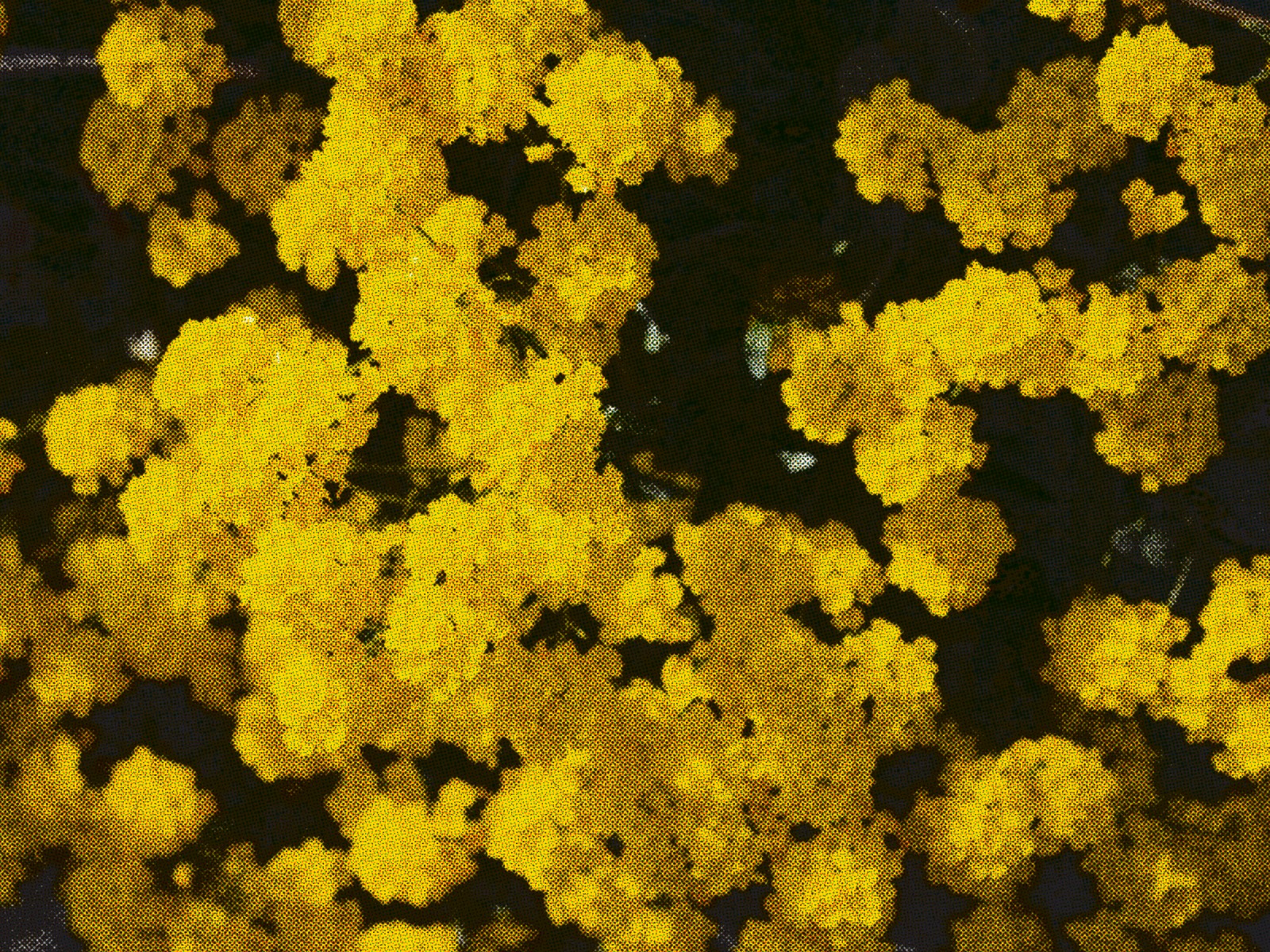
Then there is yew (Taxus baccata), the one most people can actually spot: clouds of yellow dust billowing from churchyard hedges. The grains are large and heavy, so they do not travel far. But near yew trees, concentrations can be striking.
Many of those currently symptomatic may not realise tree pollen is the cause. Most hay fever sufferers have never seen a forecast broken down by species.
The months ahead
April: birch
Silver birch (Betula pendula) is the most clinically significant tree aeroallergen in northern Europe. Its pollen grains are small, light, and capable of travelling hundreds of kilometres on the wind. A single tree in the Highlands can contribute to counts in Yorkshire.
The peak typically falls in the second half of April, starting in the south and reaching Scotland one to three weeks later. This year’s compressed start makes an earlier peak plausible (perhaps the second week of April in southern England), though a cold snap in late March could restore the usual timing.
London plane (Platanus × acerifolia) adds a specifically urban dimension. Plane trees, which line streets across London and Manchester, release both pollen and fine seed hairs that irritate the respiratory tract. Symptoms that worsen on breezy April days in cities often have plane as the source.
May: the overlap
Oak (Quercus robur), the last major tree pollen, peaks in early-to-mid May, less allergenic than birch but arriving at the precise moment the first grasses begin to release. Ryegrass (Lolium perenne) and timothy (Phleum pratense) typically appear in late May. The transition from tree-dominant to grass-dominant conditions takes a week or two.
For those sensitive to both, these are the hardest weeks of the year.
June and July: grass
Grass pollen accounts for roughly 90% of hay fever cases in the UK. The peak runs from early June through mid-July and is shaped largely by the preceding spring. A warm, wet spring promotes vigorous growth; a hot, dry June then triggers mass release from tall plants. That sequence produces the worst counts. Regular June rain, by contrast, washes pollen from the air before it accumulates.
The 2026 outlook is not encouraging. Soil moisture levels are high after the wet winter. If June turns warm and dry, grass counts across central and southern England are likely to be severe.
Late July to September
As grass pollen fades, weed pollens take over. Nettle (Urtica dioica), the most abundant, peaks in July and August but rarely causes severe symptoms. Mugwort (Artemisia vulgaris) peaks in August and hits harder — the usual explanation when symptoms return after an apparent late-July improvement.
By late September, airborne pollen generally drops to low levels. Mould spores, particularly Alternaria and Cladosporium, can extend symptoms into autumn.
Thunderstorm asthma
When a thunderstorm coincides with high grass pollen levels, humidity causes the grains to absorb moisture and rupture. The resulting fragments are small enough to bypass the upper airways and penetrate deep into the lungs. In Melbourne in 2016, a single such event sent thousands to emergency departments within hours.
UK events have been less severe, but they follow a recognisable pattern: a humid, thundery breakdown in late June or early July, typically after a sustained hot spell. The 2026 setup, with high soil moisture likely fuelling abundant grass growth, is the kind that raises the probability. Those with asthma and grass pollen sensitivity should ensure their reliever inhalers are accessible during thunderstorm warnings in peak season.
Why location matters
Ask anyone with hay fever how their day was, and the answer often depends on which side of the country they live on. Conditions in Plymouth on any given day can differ sharply from those in Aberdeen. Southern and eastern England typically records higher grass counts than Scotland or Wales. Coastal areas benefit from onshore winds carrying clean maritime air. Cities, conversely, trap pollen in street canyons and re-suspend it through traffic turbulence, creating localised hotspots even when regional levels are moderate.
Wind direction complicates things further. A southerly airflow in April can carry birch pollen from the Continent into south-east England, pushing counts above what local tree cover alone would produce. Atmospheric transport modelling, the same class of techniques used in weather forecasting and air quality prediction, accounts for this by tracking how pollen is emitted, lifted, carried by the wind, and deposited at ground level. The forecast reflects what is arriving, from wherever it originates.
Forecasts for over 170 UK cities are available on this site, broken down by species and updated hourly.
Preparation
Antihistamines are most effective when taken before symptoms become established. For those affected by tree pollen, the window for early treatment is now. For grass pollen sufferers, May is the time to start.
More important in the long run is identifying which pollens cause problems. Someone sensitive to birch faces a different calendar entirely from someone sensitive to grass, and treating the whole March-to-September period as a single undifferentiated ordeal is both unnecessary and exhausting. Allergy testing is one route. Another is tracking symptoms against species-level forecasts over a season; the Pollen Count app (Android, iOS) provides hour-by-hour breakdowns by species and includes a symptom diary that surfaces individual trigger patterns.
Forecasts updated hourly. View your city →