
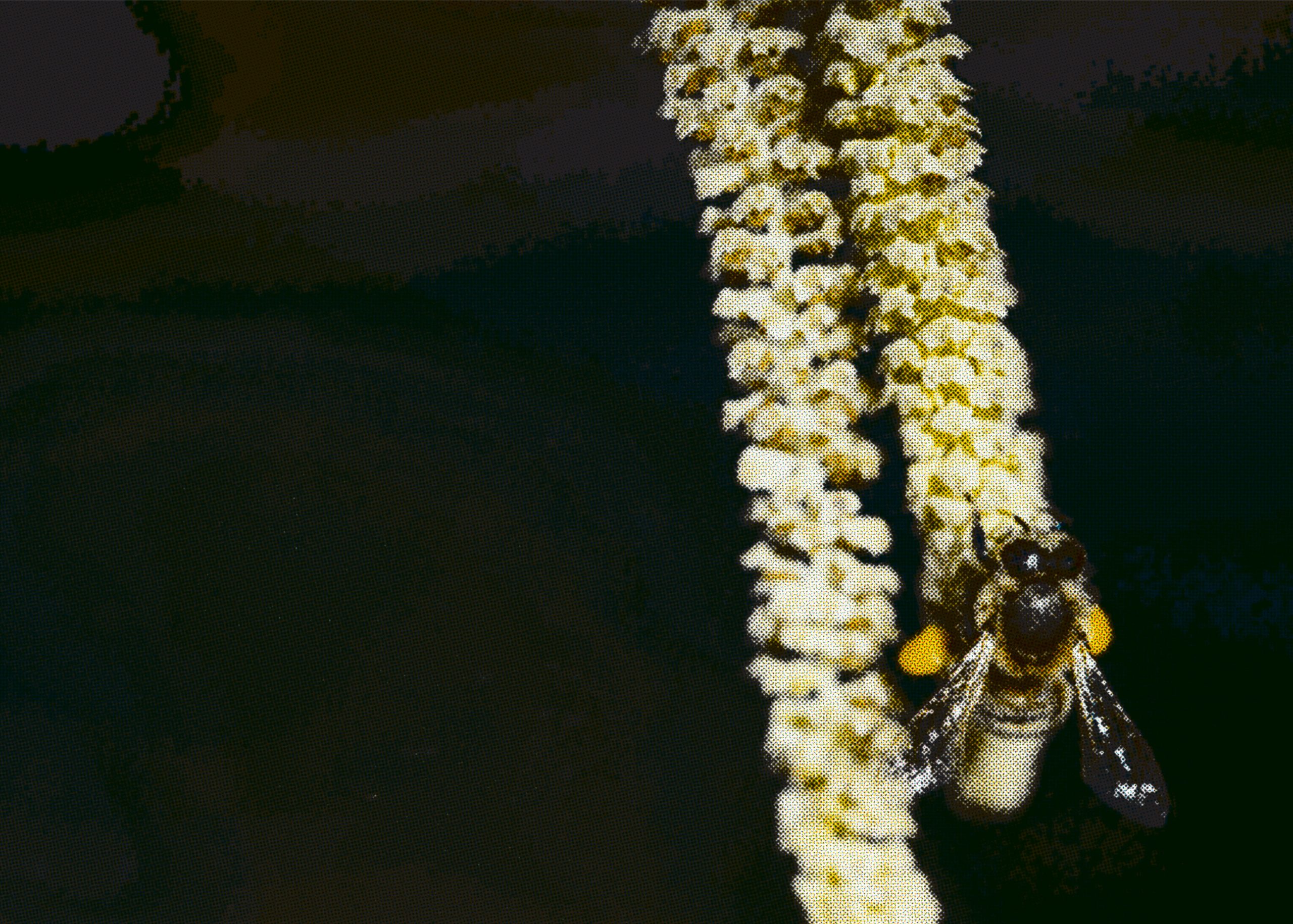
Hay fever has a habit of waiting until bedtime.
You can be mostly fine through the day, then lie down and suddenly your nose blocks, your throat itches, your eyes start watering, or a dry cough appears from nowhere. It is not your imagination. Night-time hay fever is common, and there are a few good reasons it happens.
The short version: pollen gets into your home, your bedroom holds onto it, and lying flat makes a blocked nose feel worse. Evening weather can play a part too.
You may be bringing pollen to bed with you
Pollen does not need an open window to get into your bedroom. It comes in on hair, clothes, shoes, bags, pets and skin.
That matters because bedtime puts your face right next to the things that collect it. A pillowcase with pollen on it is a very different exposure from pollen floating around outside. You are breathing near it for hours.
If symptoms flare when you get into bed, try changing the obvious things first:
- keep outdoor clothes off the bed
- change pillowcases more often during pollen season
- rinse your face before bed
- wash or at least dampen your hair if you have been outside for a long time
- keep pets out of the bedroom on high pollen days
None of this has to become a grand routine. The point is to stop carrying the day’s pollen into the place where you sleep.
Open windows can make things worse
A cool bedroom feels good. An open window during pollen season may not.
Pollen levels vary through the day, and evening conditions can bring pollen closer to ground level. If you open the bedroom window after work or sleep with it open, you may be letting pollen settle into curtains, bedding and carpets.
This is especially noticeable in warm, dry or breezy weather. It can also happen after a day when you did not feel too bad outdoors. Pollen exposure is cumulative; by bedtime your nose and eyes may already be irritated.
If nights are bad, try keeping the bedroom window closed for a few days and see whether symptoms improve. If you need to air the room, do it when your local pollen count is lower rather than automatically leaving the window open overnight.
Your bedding may be part of the problem
Bedding is good at holding onto irritants. Pollen, dust, pet dander and mould spores can all sit in fabric. During pollen season, the mix can become enough to tip mild symptoms into a bad night.
The quickest win is usually the pillowcase. Change it more often than the rest of the bed. If you dry washing outside, avoid drying pillowcases and sheets outdoors on high pollen days.
Vacuuming helps too, especially around the bed. A vacuum with a HEPA filter is better if you have one, but even regular cleaning can reduce the amount of pollen and dust in the room.
This is not about making the bedroom perfect. It is about lowering the load.
Lying down makes congestion harder to ignore
Hay fever inflames the lining of the nose. When you lie down, that congestion can feel much worse. Mucus drains differently, your nose may block more fully, and you may start breathing through your mouth.
That can lead to a dry throat and coughing. A hay fever cough is often worse at night because the throat is already irritated, then mouth-breathing dries it further.
Clues that pollen is involved include:
- sneezing
- itchy eyes
- a runny or blocked nose
- an itchy throat or ears
- symptoms that last for weeks rather than a few days
- symptoms that track warm, windy or high pollen days
A cold usually comes and goes within a week or two. Hay fever can drag on through the season.
Rain is not always helpful
People often assume rain clears pollen. Sometimes it does. Light or steady rain can wash pollen out of the air.
But rain is not always good news. Heavy showers and storms can disturb pollen and other particles. Some people feel worse before or after stormy weather, especially during grass pollen season.
This is why “it rained today” does not always mean “low symptoms tonight”. The timing, intensity and local pollen mix all matter.
What helps at night?
Start with the bedroom, because that is where the problem is showing up.
Keep windows closed on high pollen evenings. Change your pillowcase. Keep worn clothes away from the bed. Rinse pollen off your face and hair before sleeping. If you have been sitting outside, do not get straight into bed in the same clothes.
For symptoms, pharmacists can advise on antihistamines, eye drops and nasal sprays. Steroid nasal sprays can be useful for a blocked nose, but they usually work best when used regularly rather than only on the worst night of the week.
Some antihistamines can make you sleepy. That may sound convenient at bedtime, but it is worth checking with a pharmacist, especially if you drive, work early, take other medication, or are choosing something for a child.
The NHS also suggests practical steps such as using petroleum jelly around the nostrils to trap pollen, wearing wraparound sunglasses outside, showering and changing clothes after being outdoors, and keeping windows and doors shut as much as possible when the pollen count is high.
When it might not be hay fever
Not every blocked nose at night is pollen.
Dust mites, mould, pet dander, smoke, reflux, sinus problems and asthma can all cause night-time symptoms. If you feel worse in bed all year round, dust or mould may be more likely than pollen. If you wheeze, feel tight-chested, or wake up short of breath, speak to a GP or pharmacist. Asthma and hay fever often overlap, and night symptoms are worth taking seriously.
Get medical advice if pharmacy treatments are not helping, symptoms are getting worse, or breathing feels affected.
Check what is actually in the air
Hay fever is easier to manage when you know what you are reacting to. Grass pollen, birch pollen, oak pollen and plane tree pollen do not peak at exactly the same time, and they do not affect every place equally.
A national forecast is useful, but local pollen is what reaches your nose.
If your hay fever is worse at night, check the pollen count where you are, then look for patterns. Bad after evening walks? Worse when the bedroom window is open? Worse after sitting on grass? Worse during tree pollen season rather than grass season?
Those patterns are the useful bit. Once you can see them, the problem feels less random.
FAQs
Why does hay fever get worse when I go to bed?
Pollen can build up on hair, clothes and bedding during the day. When you get into bed, it sits close to your nose, eyes and throat. Lying down can also make nasal congestion feel worse.
Can hay fever cause a cough at night?
Yes. Hay fever can irritate the throat and airways. A blocked nose can also make you breathe through your mouth, which dries the throat and may trigger coughing. If you wheeze or feel short of breath, get medical advice.
Should I sleep with the window open during hay fever season?
If your symptoms are bad at night, try keeping the bedroom window closed on high pollen evenings. An open window can let pollen settle on bedding, curtains and carpets.
Does showering before bed help hay fever?
It can. Showering, washing your hair, or rinsing your face before bed can remove pollen before it reaches your pillow.
Why is my hay fever worse in the morning too?
Bedroom allergens can irritate your nose and eyes overnight. Congestion can also build while you sleep. If mornings are bad, change pillowcases more often, keep windows closed on high pollen nights, and avoid bringing outdoor clothes into the bedroom.